
Summer School
Our summer school is a dynamic 10-day programme designed for aspiring young professionals from diverse disciplines and countries. It offers a unique opportunity to come together to explore and discuss key themes related to circular food systems (CFS) through lectures, field visits, and interactive group discussions.
The programme combines thematic content on CFS with activities that enhance international collaboration, cultural awareness, and reflective practice, using tools such as TheoryU to encourage deep learning and exchange of ideas. Participants prepare a case study on a circular food system—either from their home region, current work, or research—which becomes a focus for discussion and analysis during the programme. This allows participants to identify challenges and opportunities, and to consider policy and research perspectives for effective implementation.
The summer school concludes with participants presenting their case studies to the group, sharing insights and potential solutions. We aim to organize additional summer schools in diverse locations and settings, while incorporating the latest developments in circular food systems (CFS). The programme consistently emphasizes global collaboration, knowledge exchange, and innovation within the circular food systems sector.
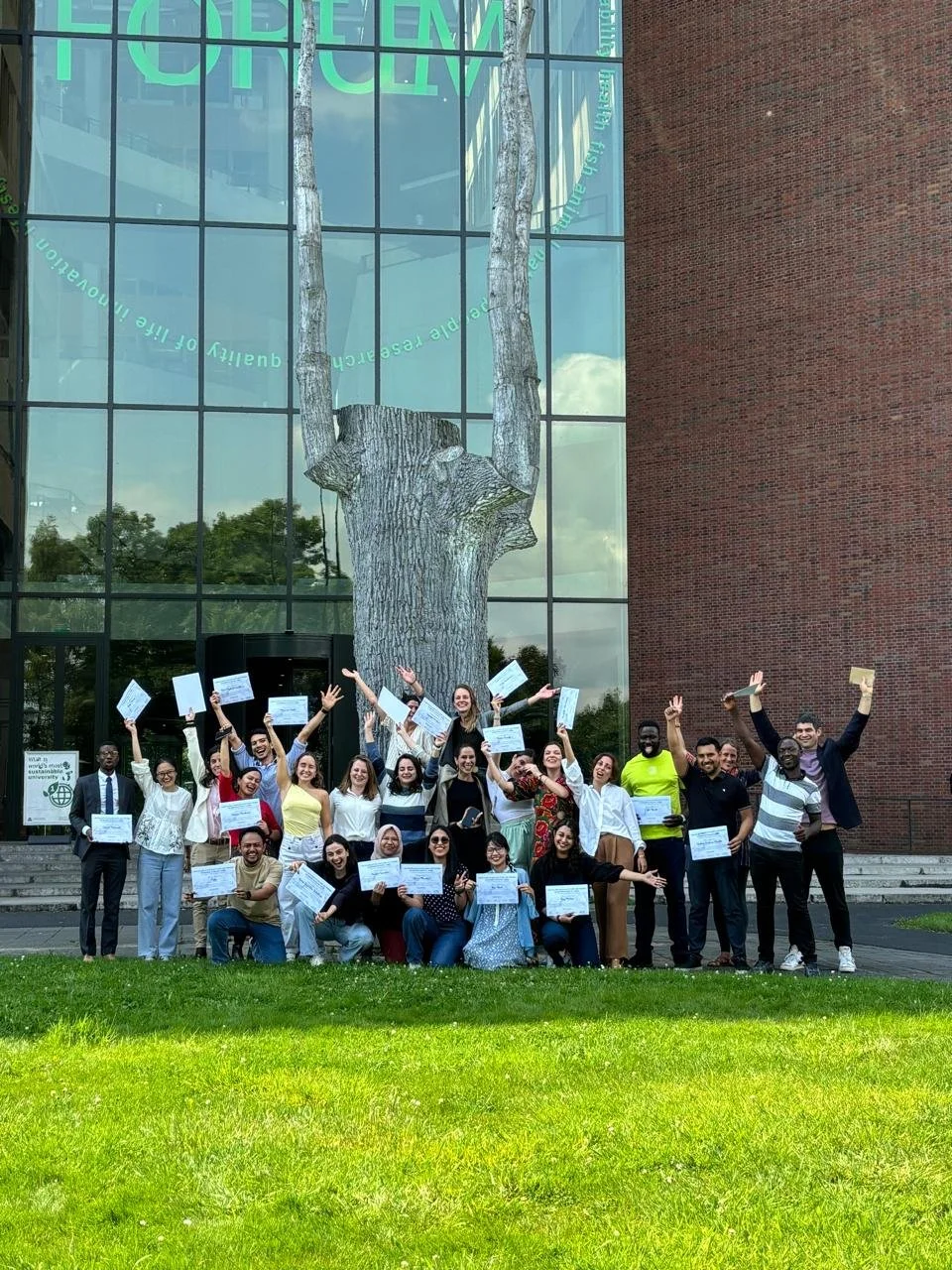
Summer School 2024 - Wageningen
15-26 July, Wageningen, Netherlands
This article was collaboratively prepared by participants of the Circular Food Systems Summer School 2024 cohort (listed in alphabetical order): Lizi Akhvlediani (Local Development Specialist, Georgia), Alex Akidiva (Food Systems Specialist, Kenya), and Bruna Zanatta (Farmer and Journalist, Brazil). (October, 2024)
In July 2024, while most students at Wageningen University and Research were away from its campus in the Netherlands, a group of 20 young professionals from various disciplines and regions of the world gathered for the Circular Food Systems Summer School. Organized by the Circular Food Systems (CFS) Network under the Global Research Alliance on Agricultural Greenhouse Gases (GRA), the initiative aimed to prepare professionals to contribute to shaping a policy and research agenda on circular food systems for the coming years.
Participants from diverse regions and backgrounds brought in a rich mix of perspectives. This intense and inspiring experience included lectures from leading researchers and experts in the CFS field, lively engagements from course facilitators, and visits to farms and companies that have adopted circular practices. Reflexivity, group activities, case clinics, and dynamic discussions were integral to the process. The 10-day program focused on key themes of circular agri-food systems, including the bio-based economy, crop-livestock integration, nutrient use efficiency, the 4R framework, carbon offsetting, waste management, and the social, economic, and political implications of a transition. The valorization of manure was also widely discussed, focusing on its export as part of the Netherlands' solution to cap nitrogen emissions.
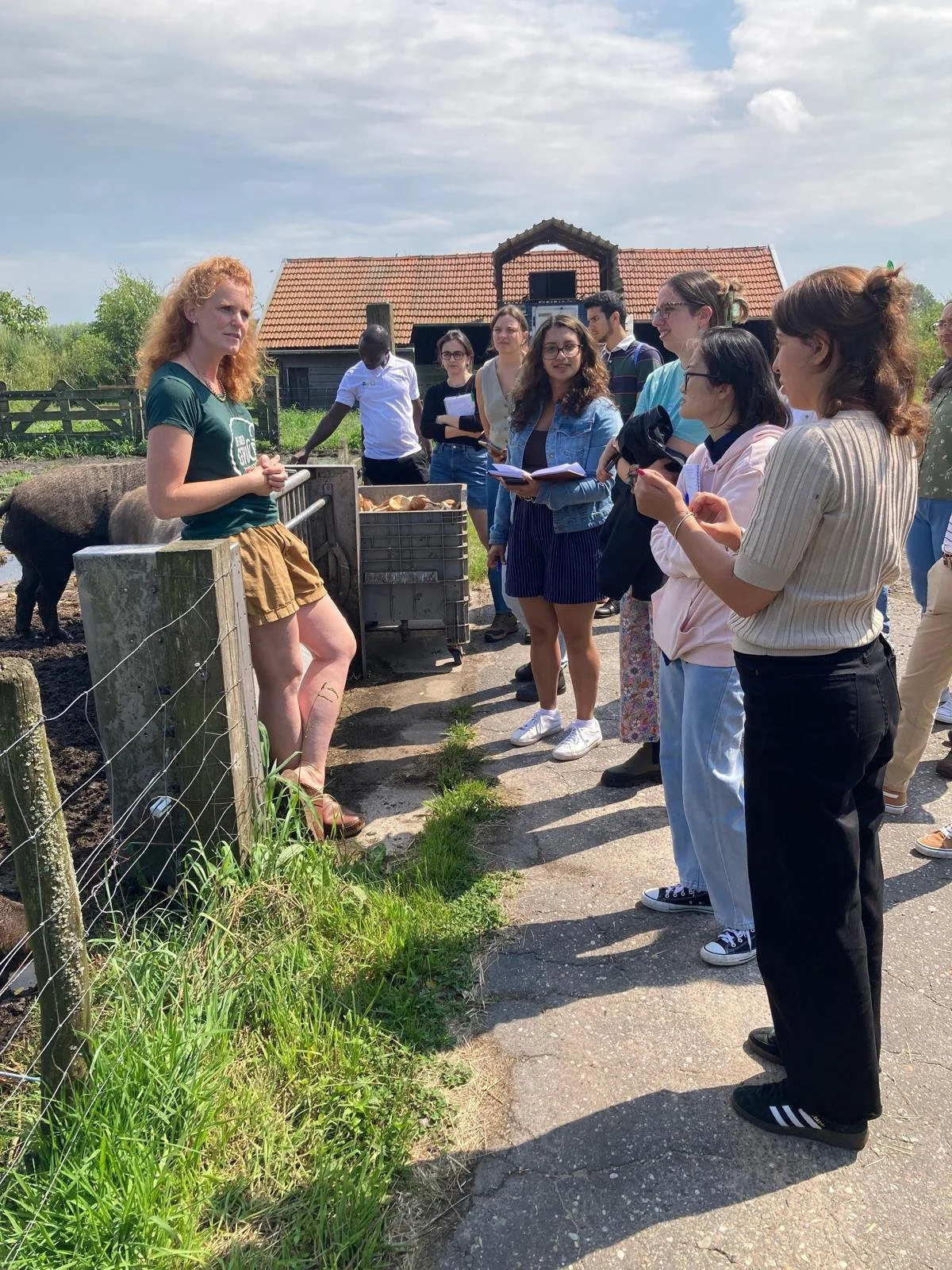
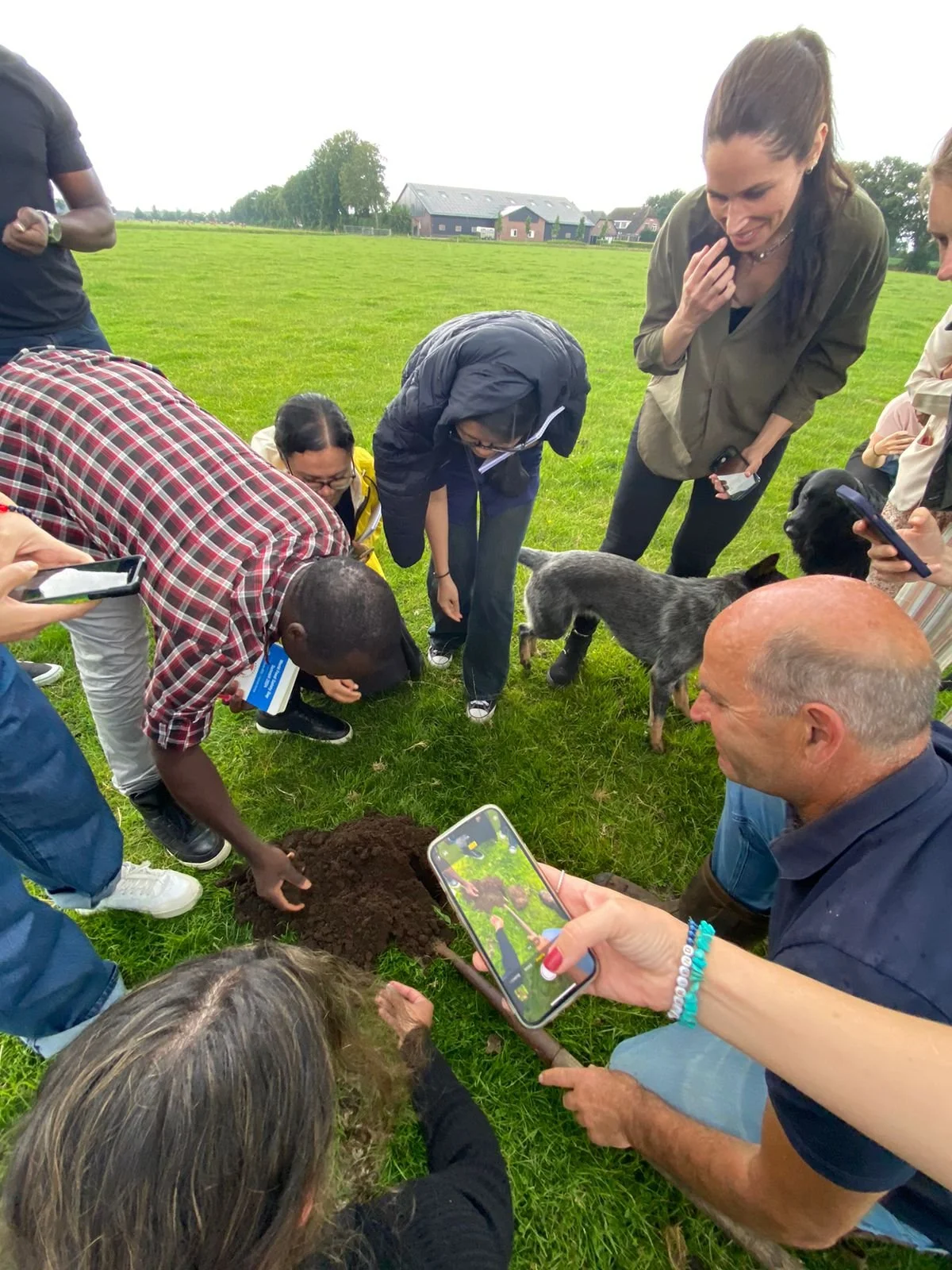
It was fascinating to witness how closely interconnected academia and practice are, with farmers and researchers collaborating to find solutions to shared challenges. Beyond the on-campus classes, where participants were encouraged to exchange their experiences and perspectives through discussions, the program also offered multiple field visits to witness firsthand some important circularity initiatives in the Dutch food system (visits to Remeker, Kipster, Floating Farm Rotterdam, Boerderij Tussen de Hagen, and De Goed Gevulde boerderij were some of the key highlights of the program).
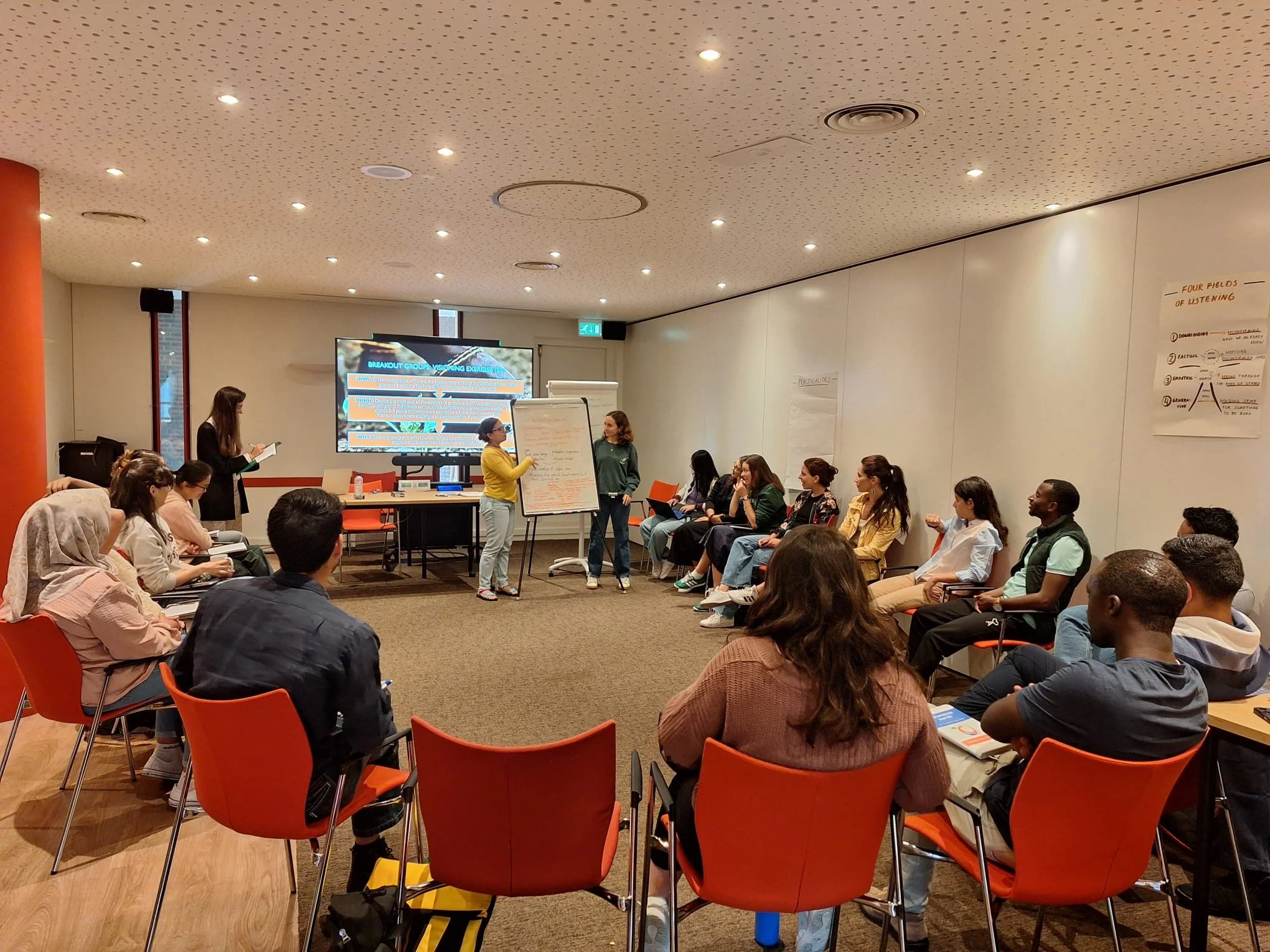
Theory U methodology was introduced at the outset of the summer school, guiding the group through reflective exercises and case clinics. These activities deepened participants' understanding of circularity and helped shape individual case studies, allowing each participant to explore how circular principles could be applied to challenges experienced in their localities. By the end of the program, each member of the group prepared a case study showcasing an example of a food system they were familiar with and exchanged ideas on how to make it more circular.
The diverse range of case studies highlighted the various challenges and opportunities that different regions face in adopting circular food systems. One of the most significant takeaways was the realization that circularity is not a prescriptive solution and its application must be tailored to specific local contexts.
At the end of the summer school, it was evident that connections formed during these ten days had laid the foundation for a lasting network of committed professionals ready to advance circularity worldwide. This was evidenced through intensified LinkedIn connections and communications to professional circles on the need to embrace and intensify CFS approach. The CFS Summer School proved to be an invaluable platform for discussing circularity’s benefits, challenges, and trade-offs, and we are confident that this transformative experience will continue to inspire many more professionals to contribute to knowledge sharing and transition efforts globally.
The summer school has significantly deepened my understanding of topics such as the bioeconomy, integrated crop-livestock systems, and nutrient use efficiency. Further, I’m beyond grateful for the Theory U approach used-every single day of the summer school we took time to pause, reflect and really connect with the course material but also ourselves. Now, I see circularity everywhere and have returned to work inspired, motivated, and eager to collaborate with a new global network of peers I had the privilege to meet during the program.
Sharon Mendonce, Research Fellow, Alliance of Bioversity International and CIAT, Italy
Being already a student at Wageningen University & Research, I can confirm that CFS Summer School was totally different from every other field trip or course I have experienced so far. Even though WUR does offer a wide range of courses in different fields of circularity, there is not a course yet that focuses on circular food systems. This summer school was exactly what I was missing on my academic knowledge, as being a student in Biobased and Circular Economy specifically interested in agriculture and food production, I experienced different field trips, lectures and activities specifically on relevant cases. In addition, it was very inspiring to be included in a diverse group of young professionals that aspire a more circular food system. Up till now we are still in contact, keeping each other updated and aspiring how we could meet again and collaborate towards this goal. I wish that more people will have the opportunity to participate to the program, so we can expand our newly born network.
Vicky Kountoura, Intern at BrewRight, Netherlands
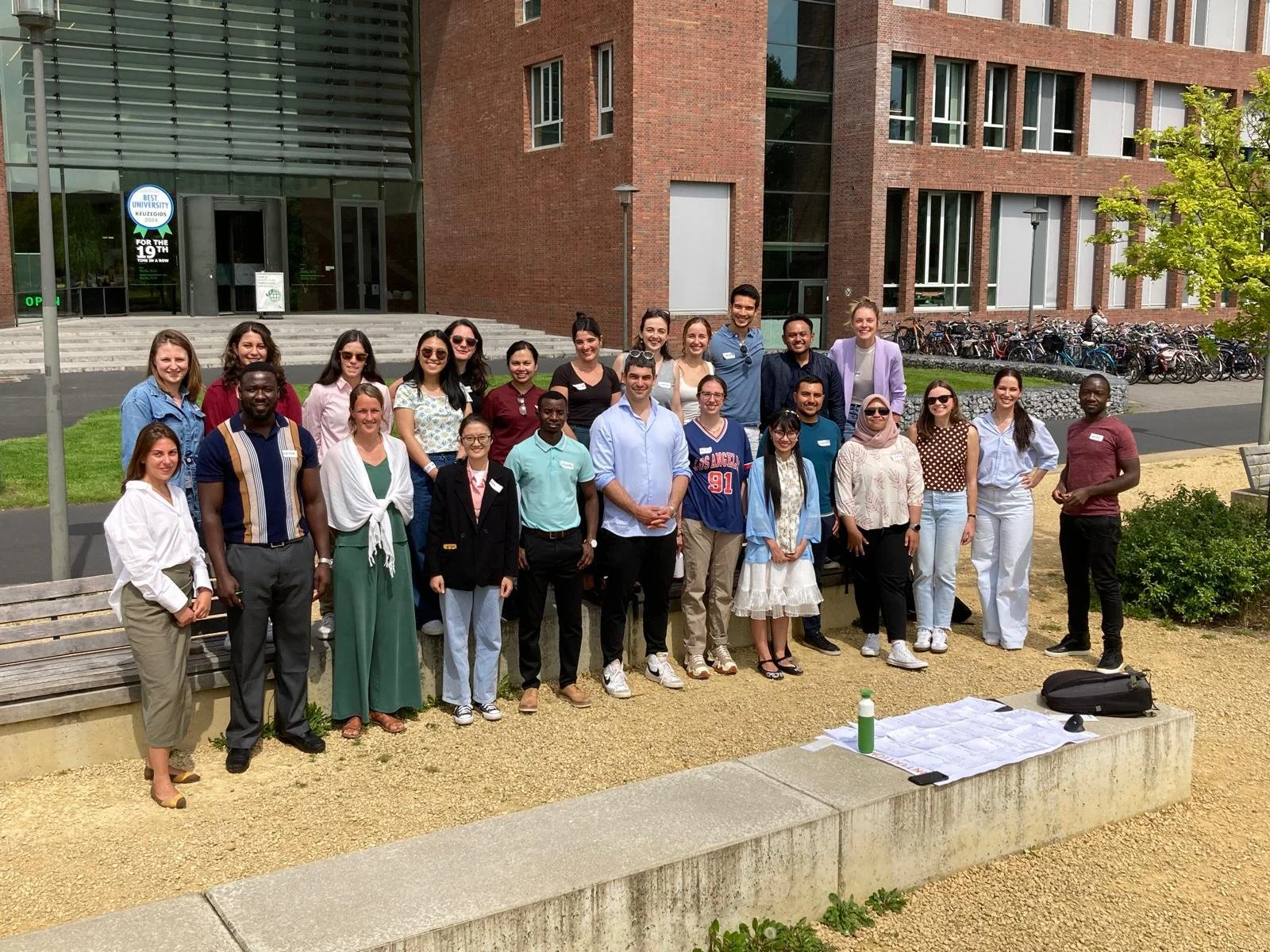
The CFS Summer School cohort 2024
“I was familiar with the concept of circularity applied to food systems before the CFS Summer School, but the program provided me with a deeper understanding of the main concepts, challenges, and inspiring examples that are already taking place in the Netherlands and other parts of the world. The blend of theory and practical application enriched my learning experience, and I appreciated the opportunity to collaborate with professionals from diverse backgrounds. I definitely feel part of a special group and empowered to work for more circular food systems in my region in Brazil.”
Bruna Zanatta, Farmer and Journalist, Brazil
Attending the Circular Food Systems (CFS) at Wageningen University and Research (WUR) in the Netherlands was a career changing opportunity. The summer school sparked new food system thinking & reflections and impacted me with new skills, knowledge and experience that has accelerated my actions transitioning into circular food systems. I gained new perspectives into the CFS which has redefined my approaches in building sustainable food systems in Kenya. Regenerative agriculture, sustainable resource use and reduction on GHG emissions has become my central themes in confronting climate change, food insecurity and halting degradation of natural ecosystems in the quest to produce enough food for the growing population. Gained knowledge has been instrumental in capacity building teams and rallying for partnerships & collaborations to effectively confront the challenges and trade-offs within CFS, a move which I am convinced will result in a movement that will embrace and advance CFS.
Akidiva Alex, Food Systems Specialist, Kenya
It’s an honor to be a part of the CFS professional global network that deeply cares about the challenges of food security and livelihoods posed by climate change. During the program, I realized how important it is to learn with farmers to adapt practices and adopt new solutions, redefining what circularity means in specific contexts. The CFS Summer School has deeply enriched my understanding of various aspects of circularity in food systems. I am inspired to ground my passion for the circularity transition and bring academics and farmers together to tackle shared challenges.
Lizi Akhvlediani, Local Development Specialist, Georgia
The Circular Food System summer school's showed me numerous possibilities of circular practices at individual, household, regional and national levels. I highly recommend this summer school for all students, young professionals and researchers working in agriculture, food and environment sectors. Or even if you are not one of those, and you care about nature - please check out the contents of the summer school - I'm sure you will find something useful for yourself and for community.
Hang Duong, Good Food for Cities (GF4C) Programme Officer at Rikolto, Vietnam