
About the CFS Network
The Circular Food Systems (CFS) Network is a network under the Global Research Alliance on agricultural greenhouse gases. The objective is to develop an active international network of researchers in the field of circular food systems, where knowledge can be shared and collaboration between research groups can increase the development and implementation of circular food systems to mitigate greenhouse gas emissions from agriculture.
What is a circular food system?
In circular food systems losses of raw materials in the production of biomass are kept to a minimum by pursuing a closed-loop in which all produced biomass is utilised to a maximum extent. It is a whole-system approach that looks at the individual parts of the food system as elements of an integrated entity. Such a food system approach is more than the sum of its parts as interaction between the different parts of the food system results in additional resource efficiency.
Circular Food Systems can contribute to reduction of GHG emissions and increased food security by increasing resource use efficiency (e.g., recycling of waste streams which reduces the need for inputssuch as land, water, fossil energy and nitrogen and phosphorus), and by mitigating the net greenhouse effect of emissions from CO₂, N₂O and CH₄ during the different stages of the food systems both via direct mitigation interventions, such as reduction of methane emissions, and indirect mitigation interventions, such as through additional carbon sequestration in soils and biomass. The benefits resulting from circular food systems go beyond mitigation of GHG-emissions and food security, but may also include increased biodiversity, and development of opportunities for ecosystem services.
Focus of the network
-
Knowledge sharing & capacity building
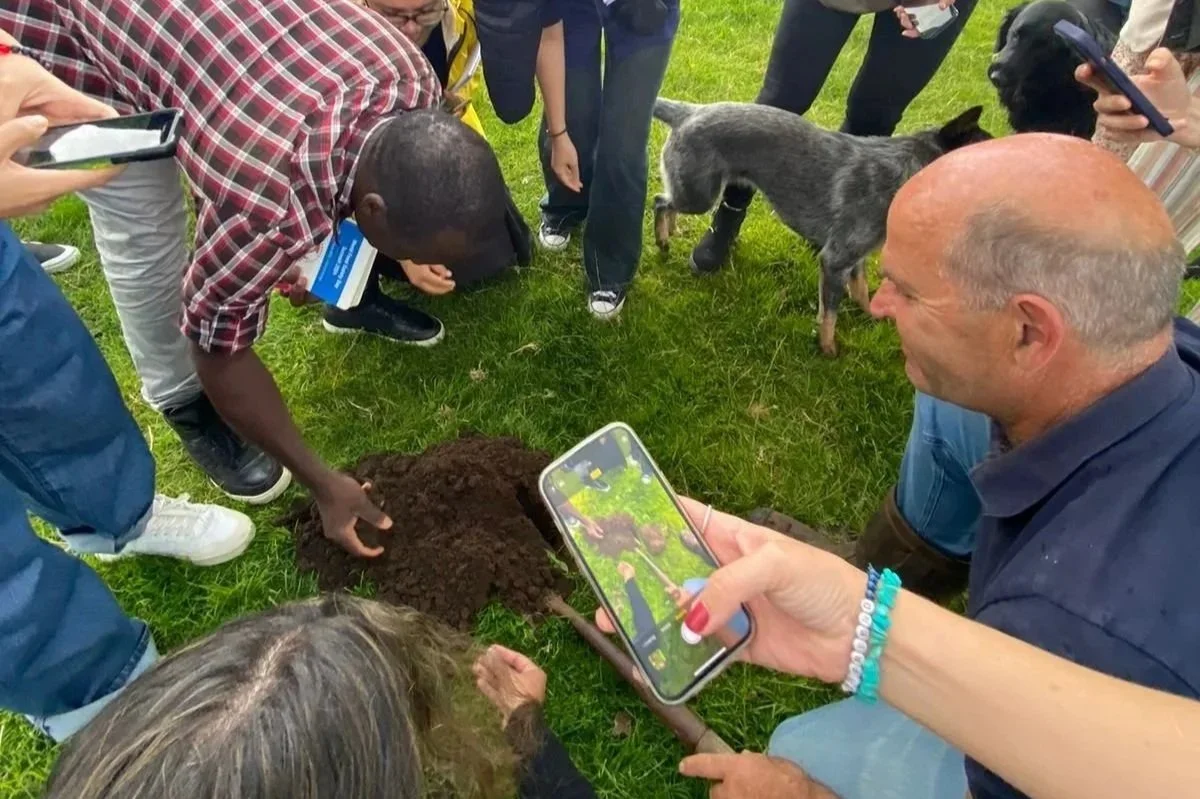
We advance knowledge sharing and build capacity by developing or financing case studies and research projects that turn real‑world insights into practical tools. We design learning materials, create evidence‑based resources, and support partners in applying new approaches in their own contexts.
-
Policy engagement
We engage policymakers directly by convening focused dialogues and roundtables that surface priorities, challenges, and opportunities for action. Through these exchanges, we translate insights into concrete recommendations and practical guidelines that support evidence‑based decision‑making and strengthen policy implementation.
-
Communication and outreach
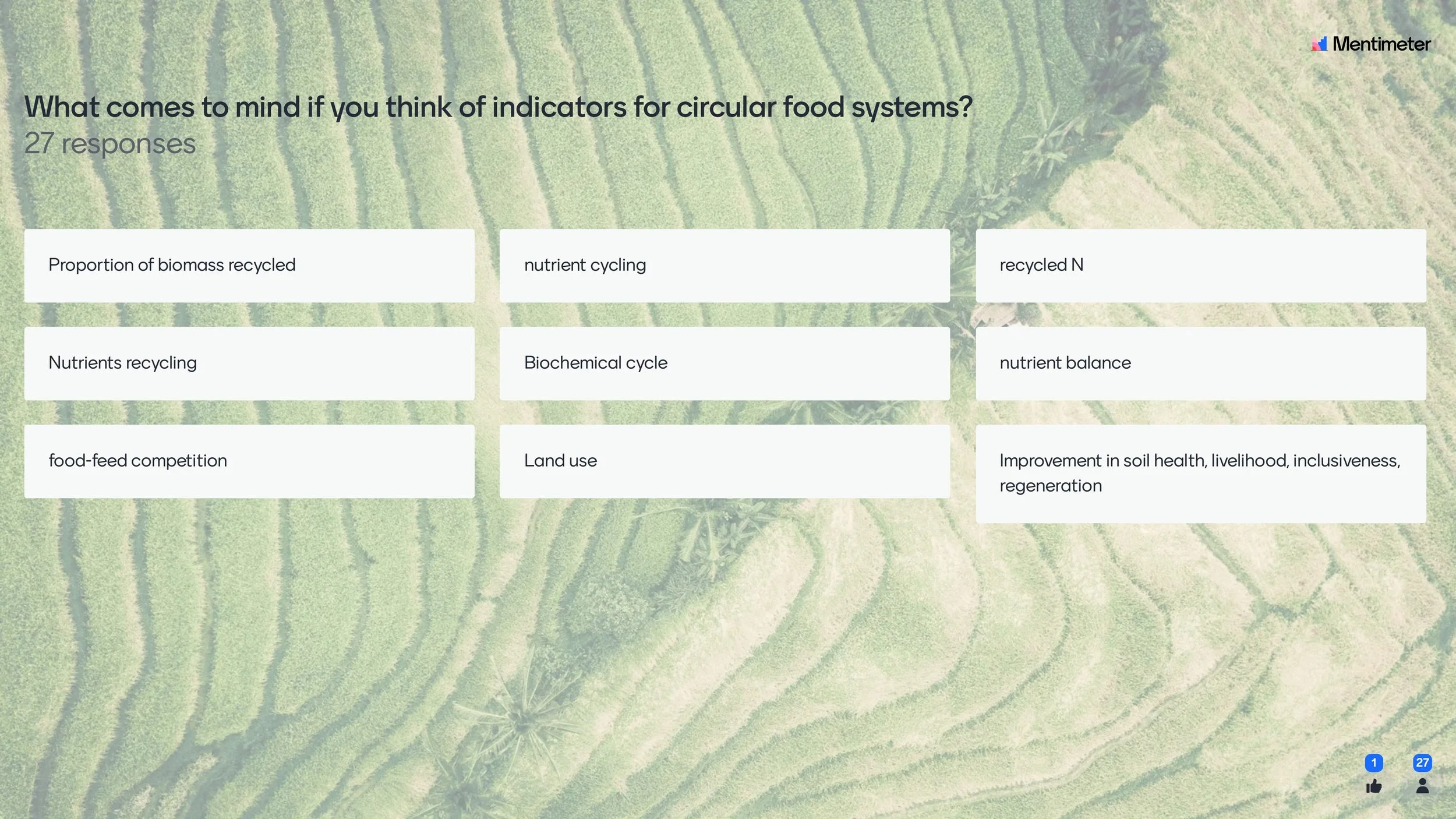
We expand communication and outreach by running workshops and webinars that equip partners with hands‑on skills, and by maintaining momentum through newsletters and active social‑media engagement that keep our community informed and connected. We translate complex work into clear messages, highlight key achievements, and build visibility across digital platforms and stakeholder networks to ensure broad and sustained engagement.
-
International Networking
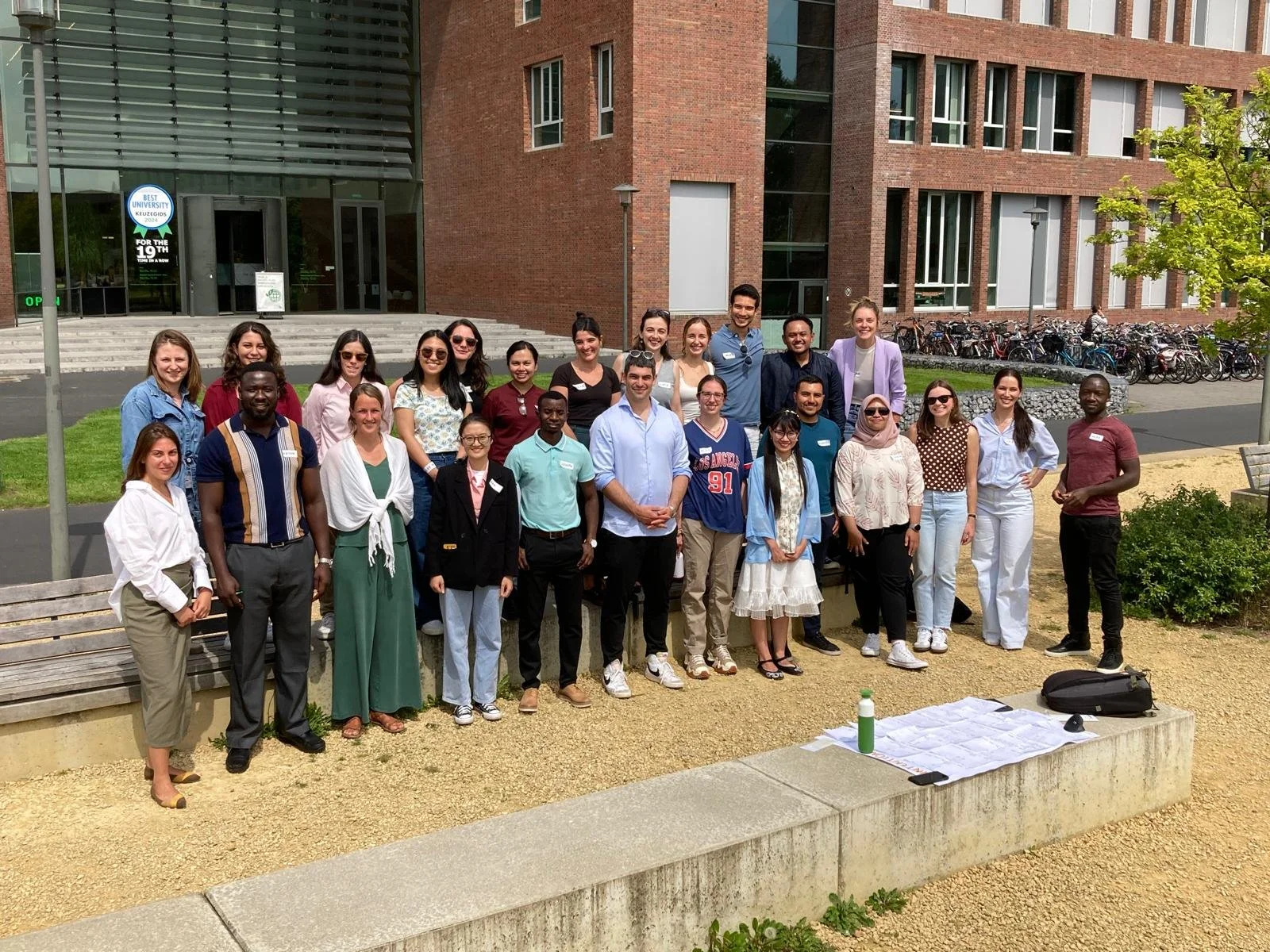
We strengthen international networking by running dynamic knowledge‑exchange programs that connect experts, students, and practitioners across borders. We create hands‑on learning opportunities through PhD collaborations, summer schools, hackathons, and by joining global conferences, enabling participants to share insights, test ideas, and build lasting professional relationships.
-
Collaborative research
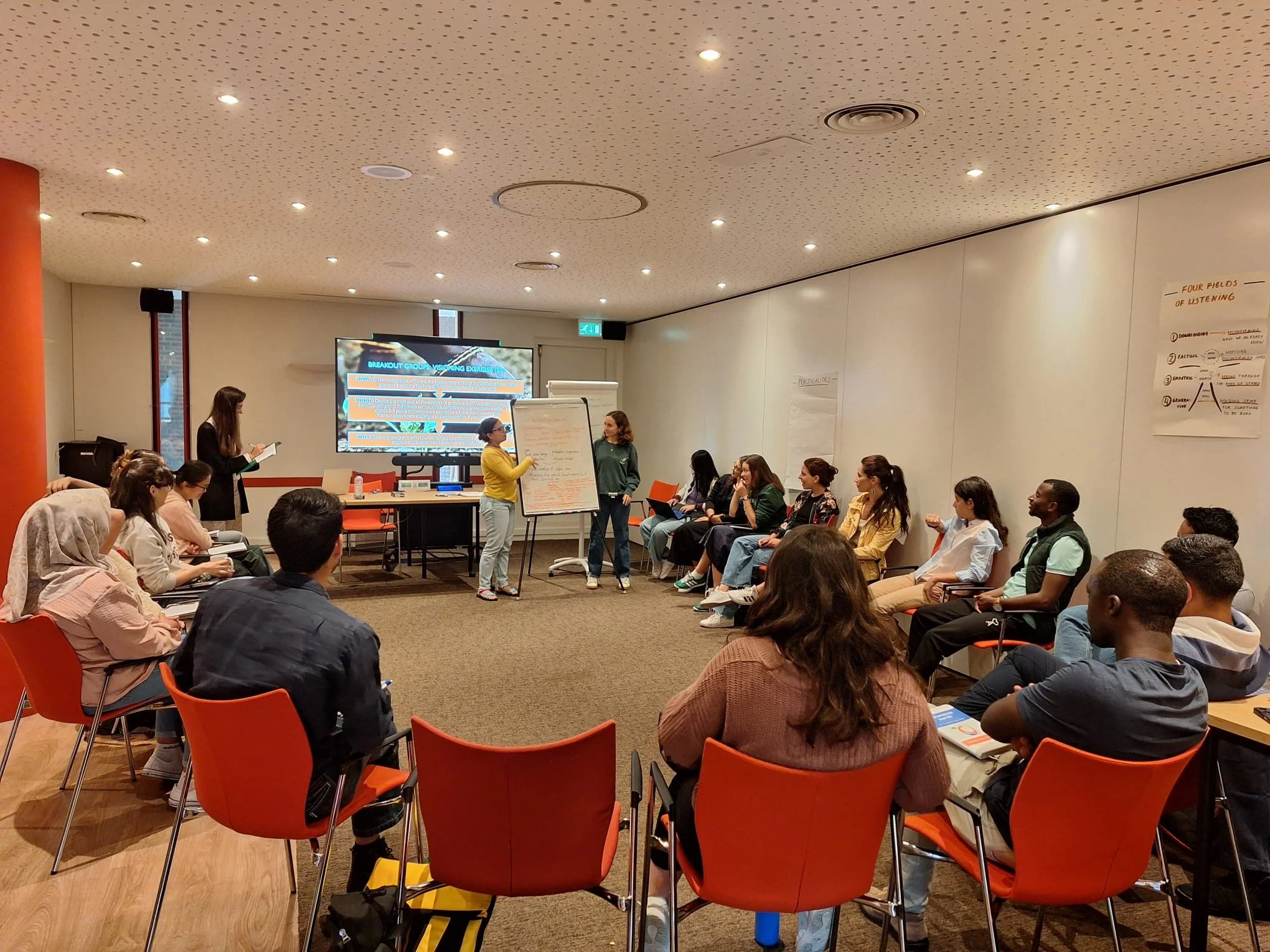
We drive collaborative research initiatives by actively facilitating partnerships between institutions, experts, and practitioners, ensuring that joint projects generate shared insights, stronger evidence, and practical solutions.
Our team
-
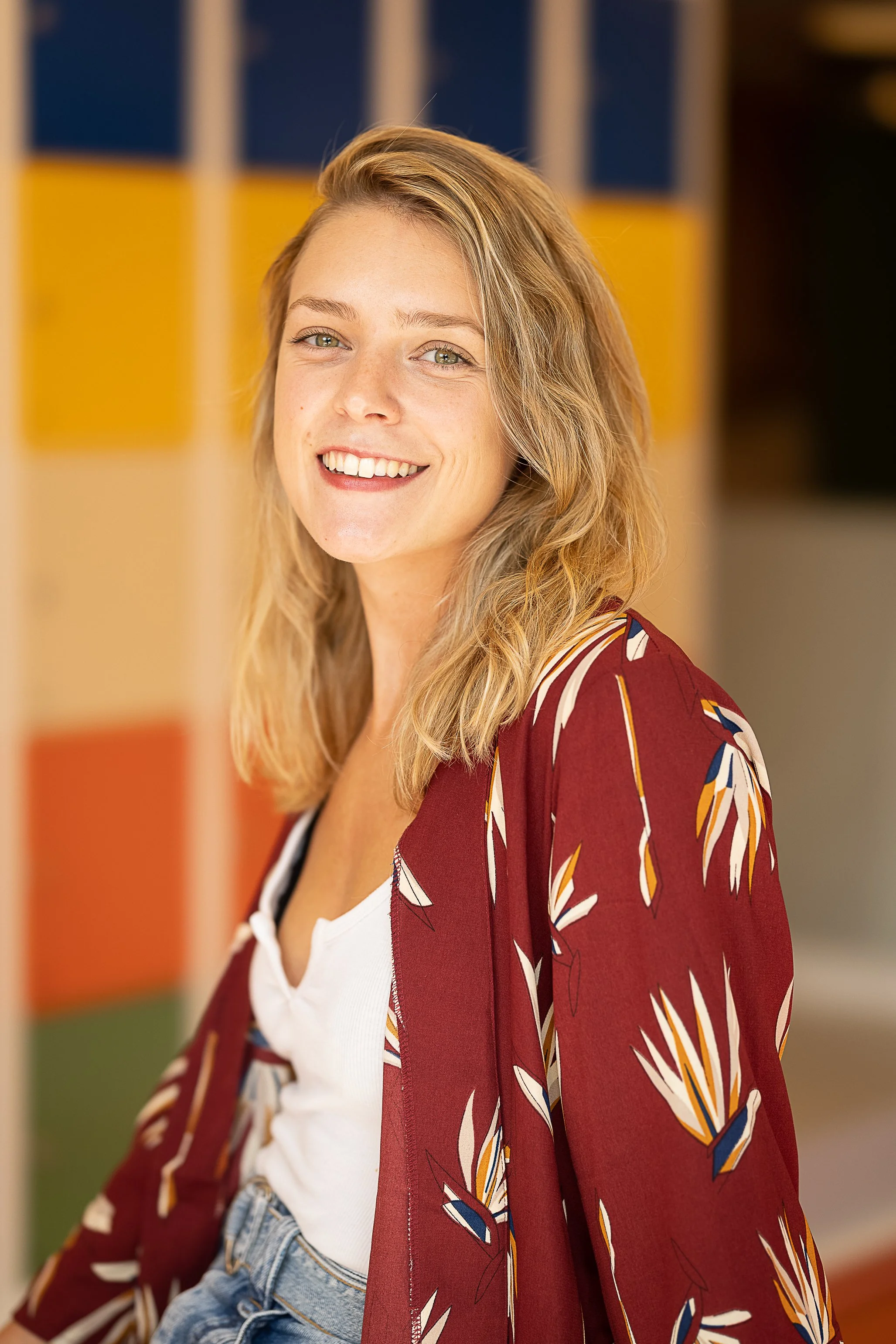
Mirjam Spoelstra
Mirjam Spoelstra works at the Animal Breeding and Genomics group at Wageningen Livestock Research. Her scientific background is in animal genetics and breeding programs in the global South. As researcher and project leader she is involved in projects across the globe that work on more sustainable, fair and efficient livestock practices by combining her scientific background with science communication. At the WUR she is mostly engaged in dairy development projects in Africa and Asia, next to being chair of the CFS Network.
-
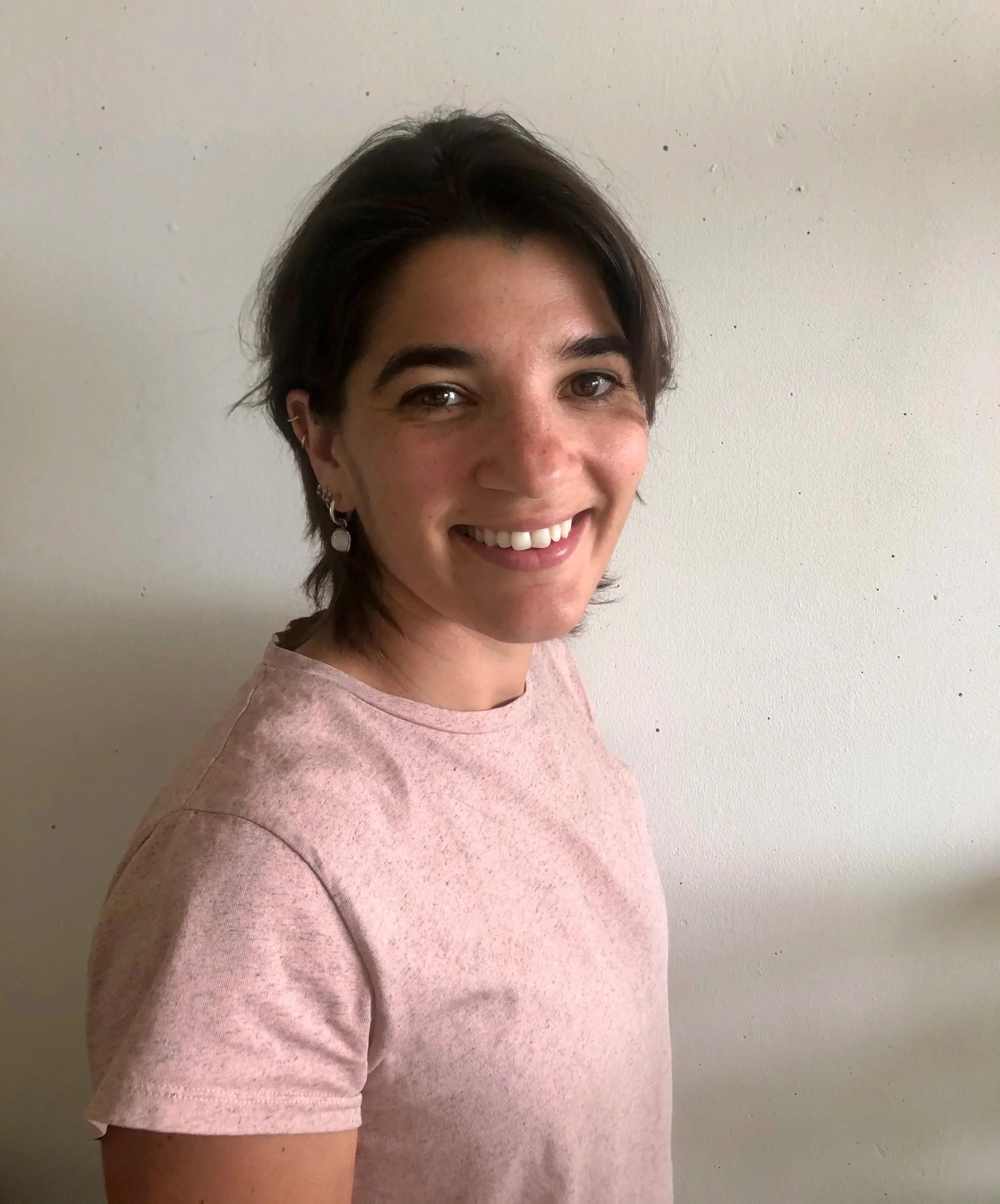
Flavia Casu
Flavia Casu works at the Food and Agriculture Organization of the United Nations. She is a Livestock & Environment specialist and graduated as an animal scientist from Wageningen University. She focuses on nutrient cycling, sustainable resource use and circularity in livestock systems, and has worked in research projects focused on the Netherlands, as well as the tropics. Flavia has been involved in the CFS Network since its launch in 2021 and is now co-chair of the Network.
-
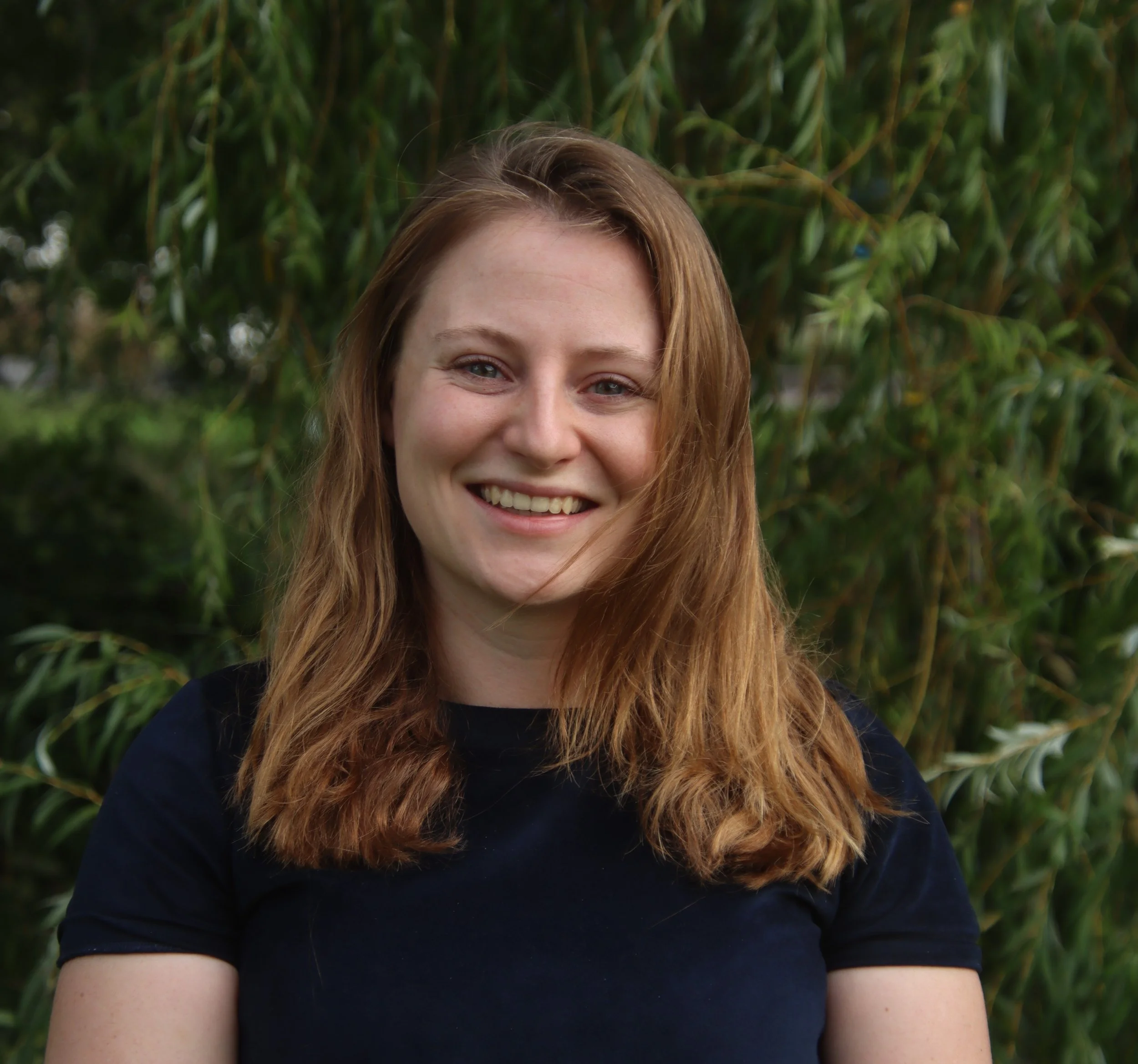
Rianne van Zandbrink
Rianne van Zandbrink works at Animal Production Systems at Wageningen University. She is a PhD candidate studying the interactions between the practices of farmers, researchers and policy in relation to area-based approaches in the Dutch agricultural sector. Rianne has a background in communication science and human nutrition and health. Moreover, Rianne is very familiar with the agricultural sector in the Netherlands since she grew up on an organic dairy farm in the middle of the Netherlands. That farm is currently run by her parents and brother.