

Workshop & events
The Circular Food Systems Networks facilitate a diverse range of workshops and sessions during a variety of events. With creative tools and workshop formats we connect a diversity of actors, start dialogues, and spark some new inspiration. During these sessions we try to connect diverse scientific disciplines and/ or diverse forms of knowledge. We believe that this connection is needed to realize transformations towards more circularity.
What a session looks like depends on the topics that we aim to address, the time we have and whether we want to report anything based on the session. On this webpage you will find some examples of sessions that we have organized in the past. Do you have an idea for a place where we should host a session or ideas for a session? Don’t hesitate to contact us!
-
Circularity on your plate (2026)
Step into the realities of West Africa’s poultry sector and explore what it takes to make the system more circular. Through an interactive workshop, you will experience the challenges, opportunities and system barriers faced by actors across the poultry value chain. Together, we will identify practical pathways towards more circular production and consumption. You’ll leave with fresh insights and ideas that you can translate into action in your own sector or context.
-
Dairy Decisions (2026)
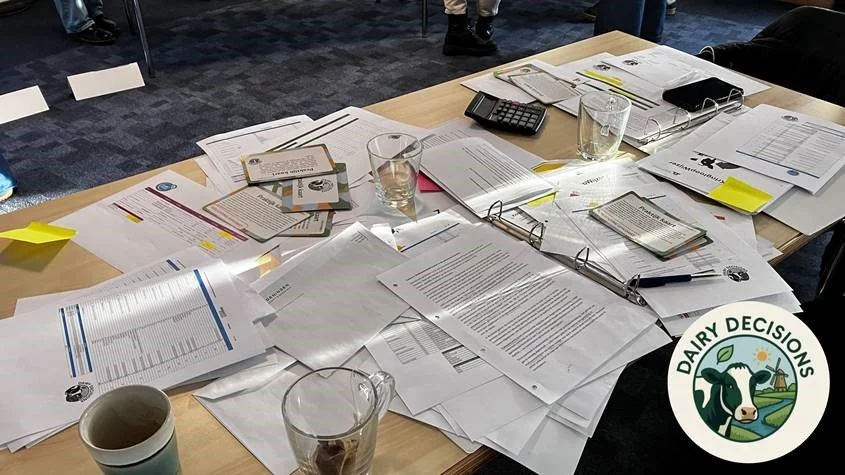
In this serious game, participants step into the boots of a Dutch Dairy farmer and experience the (im)possibilities of incentive systems. Participants are assigned a unique dairy farm profile, reflecting real-world variation in biophysical characteristics, herd size, land availability and production systems (e.g., pasture-based or organic).
-
Shaping the research and policy agenda (2024)
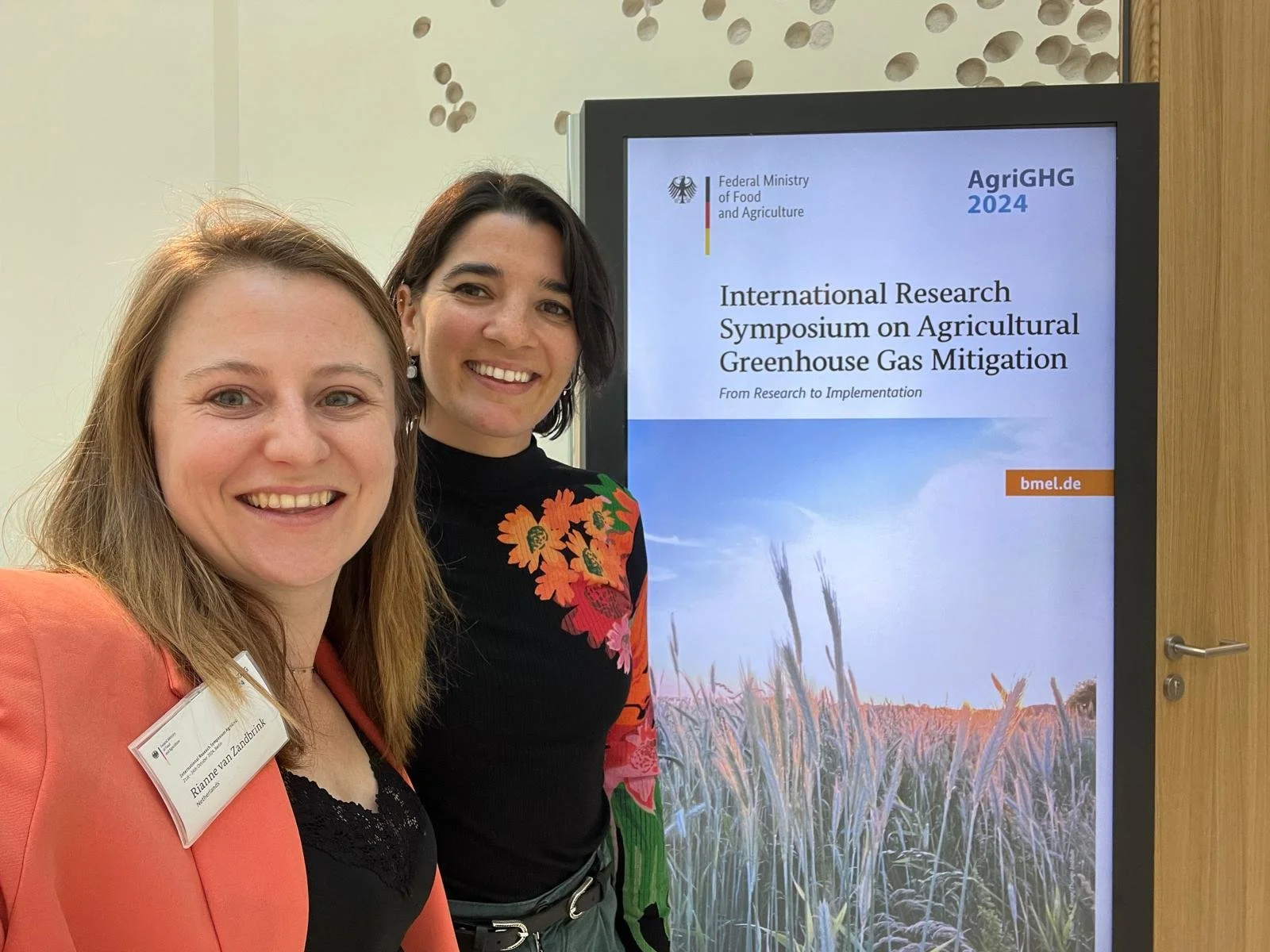
The objective of the workshop was to bring together a diverse group of stakeholders to collaboratively identify and prioritize the research and policy needs essential for advancing the implementation of circular food systems. The goal of the workshop is to create a first research and policy agenda that supports the transition towards circular food systems, promoting resource efficiency, reducing waste, enhancing food security and environmental, ecological and social sustainability on a global scale.